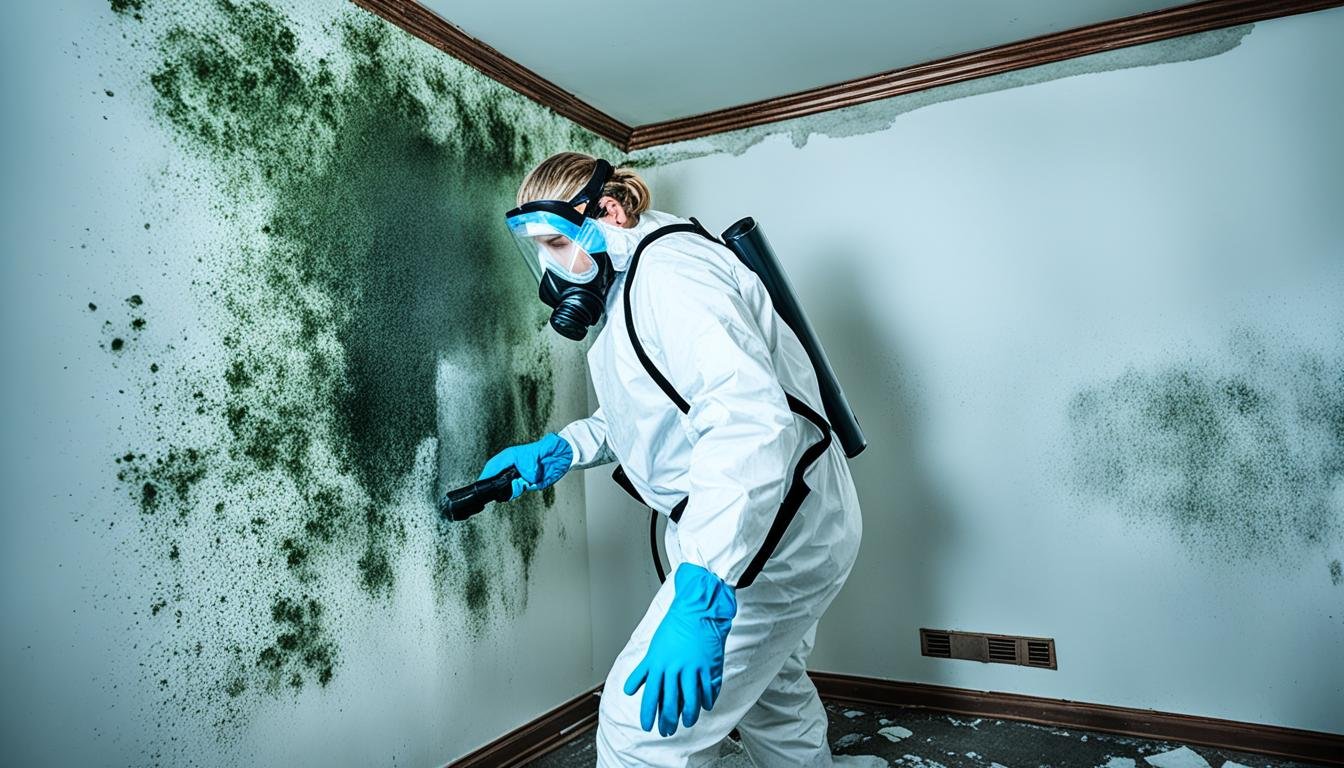
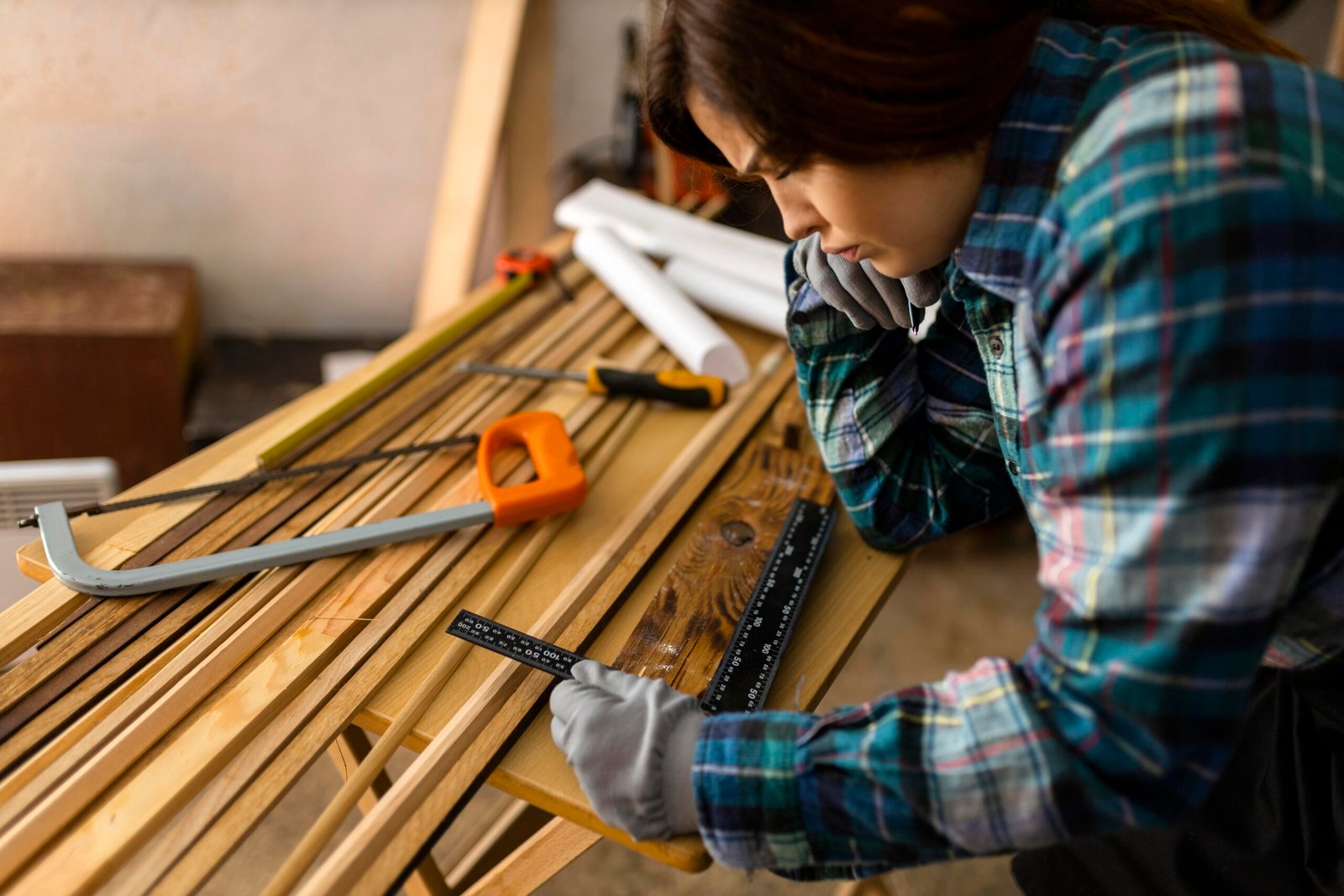
Wood-boring insects such as termites, woodworms, and beetle larvae cause serious structural damage because they live deep inside timber. Traditional chemical treatments often struggle to reach these hidden pests effectively. A more advanced approach is used by Shashel, which applies microwave-based engineering principles to eliminate pests through controlled internal heating of wood.
This article explains the process from a technical and scientific perspective.
Step 1: System Calibration and Target Identification
The pest eradication process begins with assessing the wood structure, moisture level, and infestation zones. Technicians identify affected areas using visual signs such as exit holes, frass, or weakened wood.
The microwave device is then calibrated based on wood thickness, density, and expected moisture content. This step is important because different wood types respond differently to electromagnetic energy.Shashel
Step 2: Microwave Energy Generation
Shashel devices generate microwave energy using a controlled electromagnetic system. This energy is emitted at specific frequencies designed to penetrate wood without damaging its structure.
The energy is directed into the targeted wooden area through an applicator. Unlike external heating methods, this energy passes through the surface and interacts with internal molecules.
Step 3: Dielectric Interaction Inside Wood
Once microwaves enter the wood, they interact with polar molecules, mainly water. Wood always contains some level of moisture, even when it appears dry.
These water molecules begin to oscillate rapidly due to the alternating electromagnetic field. This process is known as dielectric heating, where molecular movement generates heat internally instead of externally.
Step 4: Internal Heat Formation
The friction created by rapidly moving water molecules produces heat throughout the internal structure of the wood. This heat is not limited to the surface; it spreads into deep layers where insects are located.
Since insects also contain a high percentage of water, they absorb microwave energy efficiently and heat up faster than surrounding wood fibers.
Step 5: Thermal Threshold and Pest Breakdown
As temperature increases inside the wood, it eventually reaches a critical range of around 55°C to 60°C or higher. At this stage, biological systems of insects begin to fail.
Proteins denature, enzymes stop functioning, and cellular structures collapse. This affects all life stages including eggs, larvae, pupae, and adults, ensuring complete eradication if properly treated.
Step 6: Thermal Distribution and Diffusion
After initial heating, heat spreads through the wood via conduction. This ensures that adjacent areas also reach effective temperatures for pest destruction.
However, distribution depends on wood density, grain direction, and moisture variation, which is why controlled application is necessary for uniform results.
Step 7: Real-Time Monitoring and Control
During treatment, operators monitor temperature and adjust microwave power output as needed. The goal is to maintain a balance where pests are eliminated without overheating or damaging the wood.
Advanced control systems ensure that energy levels remain within safe operational limits.
Step 8: Cooling and Stabilization Phase
After the desired temperature is achieved and pests are eliminated, the wood is allowed to cool naturally. During this phase, the structure stabilizes and internal moisture redistributes.
This step ensures that no thermal stress remains that could weaken the material over time.
Advantages of the Process
The process offers several technical advantages. It eliminates pests at all life stages without chemicals, penetrates deep into wooden structures, and works faster than fumigation in many cases.
It also preserves structural integrity because there is no need for drilling or invasive chemical injection when properly applied.
Technical Limitations
Despite its efficiency, the process has limitations. Very dense or thick wood may cause uneven energy distribution, leading to localized cold spots. Moisture variation can also affect heating uniformity.
Therefore, proper calibration and skilled operation are essential for consistent results.
Applications in Engineering and Restoration
This technology is widely used in furniture restoration, building conservation, and heritage protection projects. It is especially useful where preserving original material is critical and chemical use is not desirable.
Engineers and conservators prefer it for its precision and non-invasive nature.
Conclusion
The pest eradication process used by Shashel is based on controlled microwave physics, dielectric heating, and thermal destruction of insect biology. By converting electromagnetic energy into internal heat, it eliminates pests deep inside wood without chemicals or structural damage.
Although it requires careful control and technical expertise, this method represents a modern, scientific approach to wood pest control that is both efficient and highly targeted.